Sadaqah - Bless the Blessed
Sadaqah refers to voluntary acts of charity given out of compassion, love, or faith. Unlike Zakat, Sadaqah can be given at any time and in any amount, and it can take many forms, including monetary donations, food, clothing, or even kind words and actions. The word Sadaqah comes from the Arabic root ‘sidq,’ meaning sincerity, suggesting that this form of charity is a sign of sincere faith and righteousness.
Sadaqah is intended to show compassion and support for those in need. It is a way to earn spiritual rewards and purify one's soul. Giving Sadaqah fosters a sense of empathy and altruism, encouraging Muslims to be mindful of the struggles faced by others and to contribute positively to their well-being. It strengthens the bonds within the community and reinforces the values of kindness, generosity, and selflessness.
In Islamic tradition, Sadaqah is considered one of the most virtuous acts of worship. The Prophet Muhammad (PBUH) emphasized its importance throughout his life, teaching that even the smallest act of kindness, such as smiling at someone or removing a harmful object from the road, counts as Sadaqah. This comprehensive understanding of charity extends beyond material giving to encompass all beneficial actions that help others or improve society.

The example of those who spend their wealth in the way of Allah is like a seed [of grain] which grows seven spikes; in each spike is a hundred grains. And Allah multiplies [His reward] for whom He wills. And Allah is all-Encompassing and Knowing. — (Quran, 2:261)
This verse illustrates the exponential rewards of giving Sadaqah. Just as a single seed can yield multiple spikes of grain, a single act of charity can bring abundant blessings and rewards. The verse encourages Muslims to be generous and to trust in Allah's promise of multiplying their good deeds. By giving Sadaqah, Muslims not only help those in need but also invest in their own spiritual growth and eternal rewards.
Sadaqah is a powerful expression of faith and humanity. It embodies the principles of kindness, empathy, and selflessness, and it plays a crucial role in building a compassionate and supportive community. Through Sadaqah, Muslims can make a meaningful difference in the lives of others, bringing hope, relief, and joy to those who are struggling. It is a reminder that every act of kindness, no matter how small, has the potential to create a ripple effect of goodness and positive change.
Who Can Donate Sadaqah?
Anyone can give Sadaqah, regardless of their financial situation. It can be given to anyone in need, including family, friends, and strangers. The recipients of Sadaqah are not limited by specific criteria, making it a versatile and inclusive form of charity that can address various needs and circumstances.
How to Donate Sadaqah?
Sadaqah can be given in various forms. It can be a monetary donation, providing financial assistance to those in need. It can also be in the form of food, clothing, or other essential items that can help alleviate hardship. Additionally, Sadaqah can be non-material, such as offering a kind word, lending a helping hand, or providing emotional support to someone in distress. The key aspect of Sadaqah is the intention behind it – to give selflessly and sincerely for the sake of Allah.
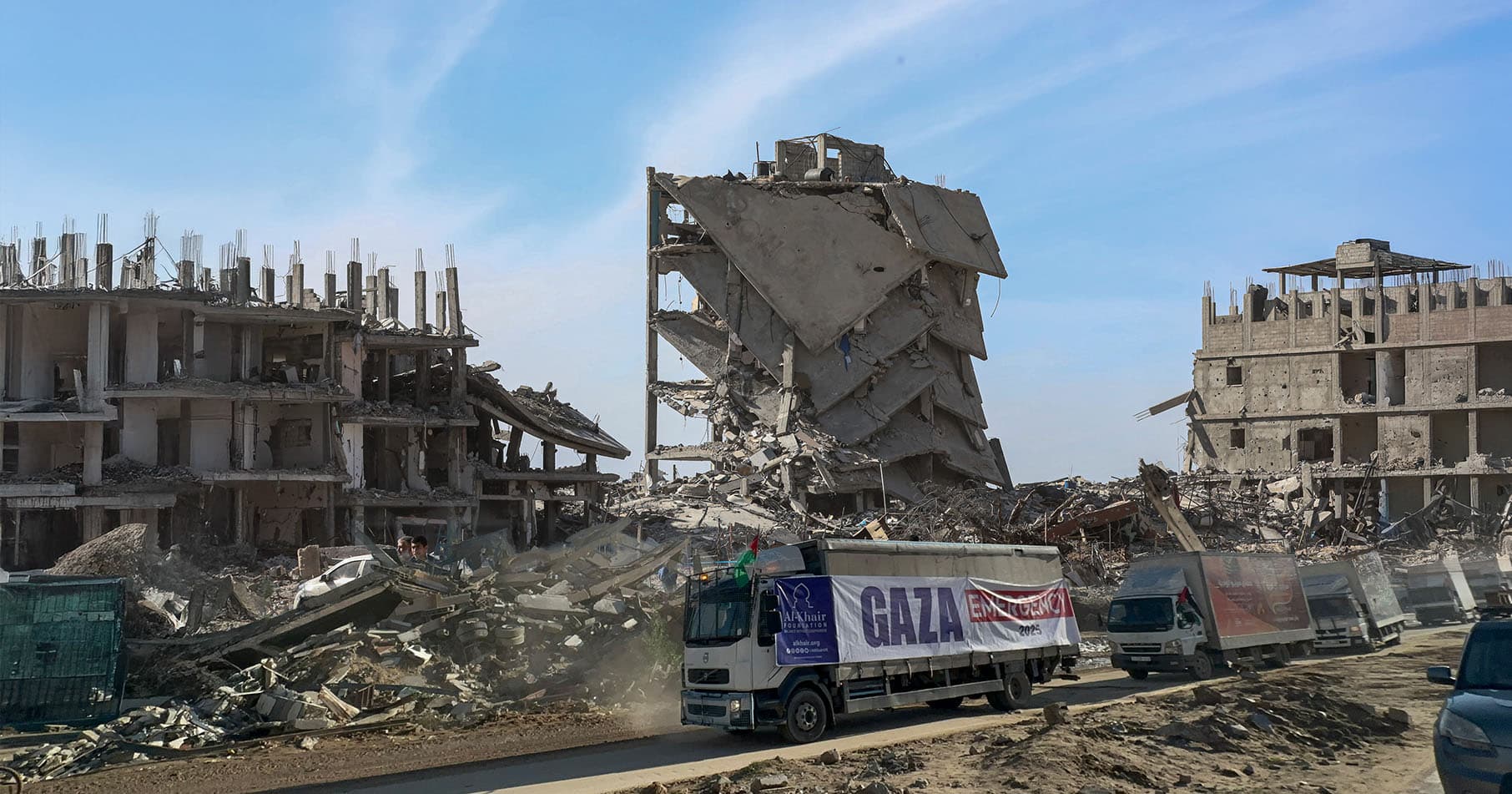
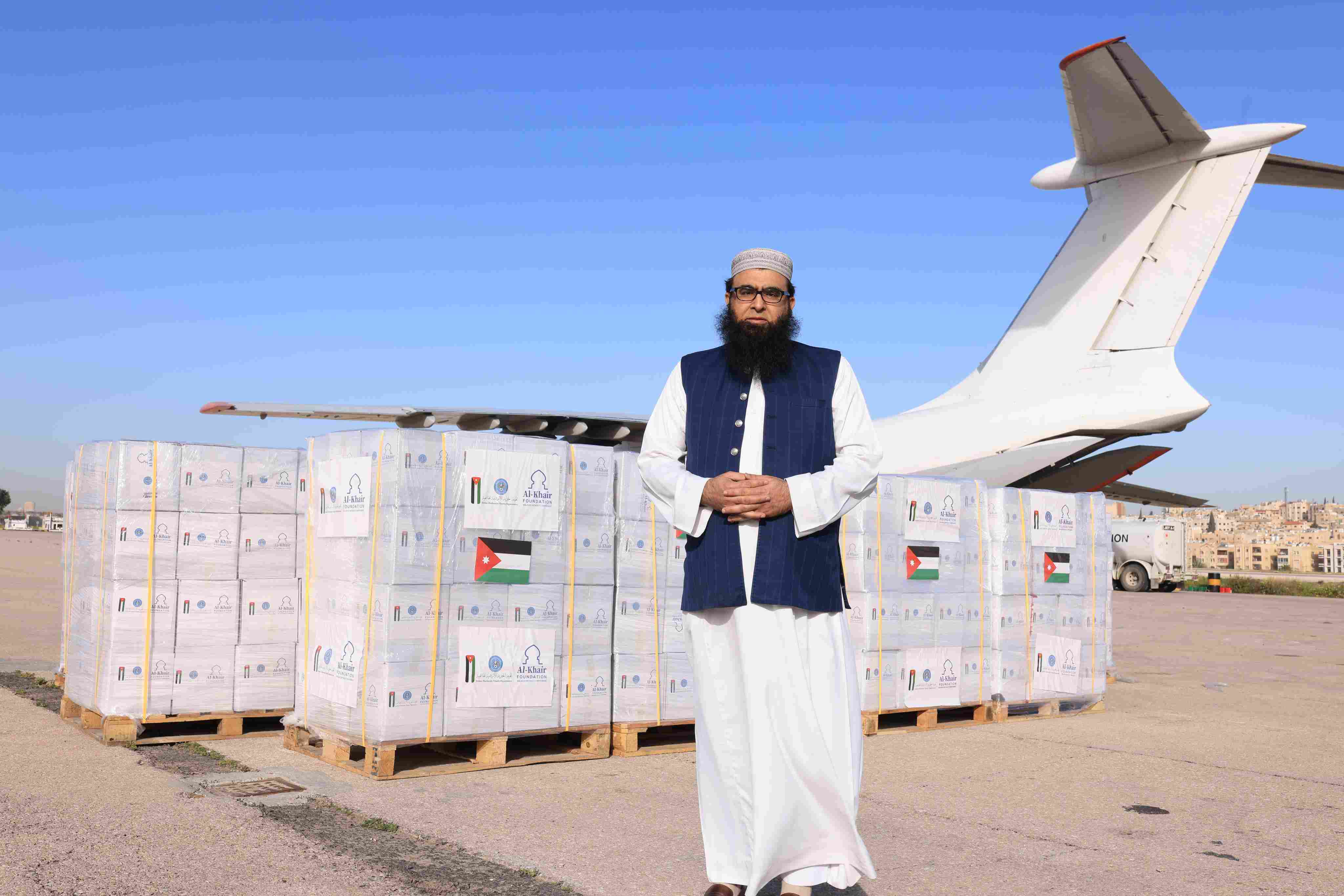
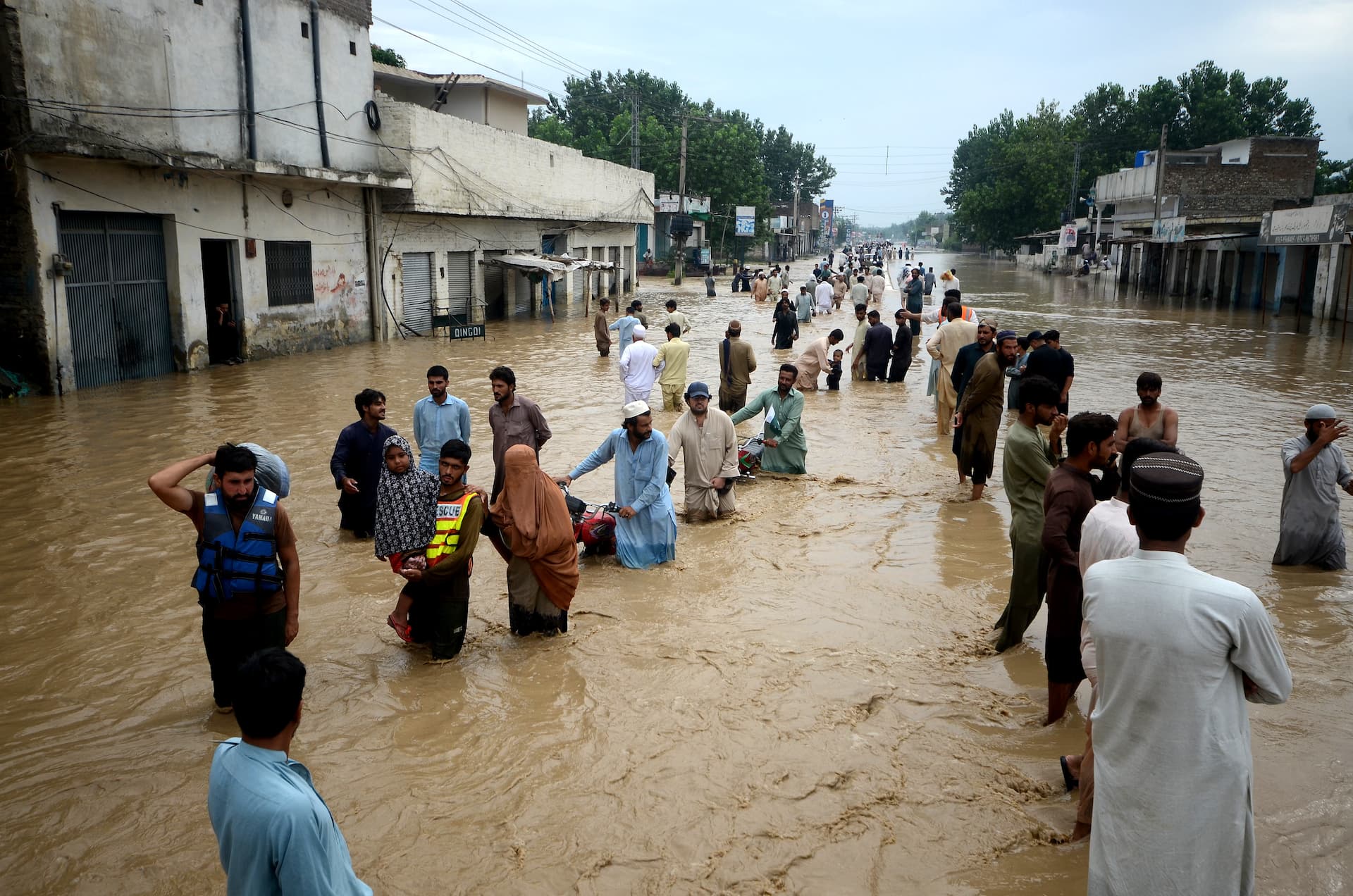
When giving Sadaqah through Al Khair Foundation, your donations are carefully directed to those most in need. We ensure that your charitable contributions reach vulnerable communities across the globe, providing essential support such as food packages, clean water, healthcare, education, and emergency relief. Our transparent approach means you can trust that your Sadaqah is making a real difference in the lives of those who need it most.
Types of Sadaqah
Islamic teachings recognize numerous forms of Sadaqah, demonstrating that charity extends far beyond financial contributions. Understanding these different types helps Muslims incorporate acts of charity into their daily lives:
- Sadaqah of wealth: Monetary donations or material gifts to those in need
- Sadaqah of knowledge: Teaching beneficial knowledge or skills to others
- Sadaqah of time: Volunteering and helping with community projects
- Sadaqah of smile: Greeting others with warmth and kindness
- Sadaqah of advice: Offering sincere counsel and guidance
- Sadaqah of forgiveness: Pardoning those who have wronged you
- Sadaqah Jariyah: Ongoing charity that continues to benefit others after death
The Benefits and Rewards of Sadaqah
The spiritual and worldly benefits of giving Sadaqah are numerous and profound. In the Quran and Hadith, Allah and His Prophet (PBUH) have promised tremendous rewards for those who give charity sincerely:
Sadaqah serves as a means of purifying wealth and soul, protecting against calamities, and healing illnesses. The Prophet Muhammad (PBUH) said, ‘Charity extinguishes sin as water extinguishes fire.’ This powerful statement highlights how Sadaqah can cleanse us from our mistakes and bring us closer to Allah. Additionally, Sadaqah is known to increase sustenance (rizq), bring barakah (blessings) into one's life, and serve as a shade on the Day of Judgment.
Beyond personal benefits, Sadaqah creates positive social change by reducing inequality, fostering community solidarity, and providing dignity to those receiving help. It transforms both the giver and receiver, creating a cycle of compassion and gratitude that strengthens the entire Muslim ummah and humanity at large.
Sadaqah Jariyah: The Gift That Keeps Giving
Sadaqah Jariyah, or continuous charity, is a special form of Sadaqah that continues to benefit people long after the donor has passed away. The Prophet Muhammad (PBUH) said: ‘When a person dies, all their deeds end except three: a continuing charity, beneficial knowledge, or a righteous child who prays for them.’
Examples of Sadaqah Jariyah include building mosques, schools, or hospitals; digging wells or providing water systems; planting trees; sponsoring Islamic education; and distributing Islamic literature or Qurans. Through Al Khair Foundation, you can contribute to sustainable projects that provide ongoing benefits to communities, ensuring your good deeds continue to accumulate rewards even after you leave this world.
Best Times to Give Sadaqah
While Sadaqah can and should be given at any time, certain periods hold special significance and multiplied rewards in Islam. During Ramadan, the month of mercy and forgiveness, the rewards for all good deeds, including Sadaqah, are greatly multiplied. The last ten nights of Ramadan, particularly Laylatul Qadr, offer exceptional opportunities for giving charity.
Other blessed times include the first ten days of Dhul Hijjah, Friday (Jumu'ah), the day of Arafah, and times of personal hardship when giving Sadaqah can bring relief and divine assistance. Regular giving, such as daily or weekly Sadaqah, helps establish a consistent practice of generosity and maintains a connection with those less fortunate.